Cart
0
Choosing between a dog harness and a collar is one of the most common questions new and experienced dog owners ask. Both serve important purposes, but they are designed for different situations. The right choice depends on your dog's size, breed, behaviour, age, and daily activities.
Many Australian dog owners enjoy walking their pets through local parks, beaches, and hiking trails. Having the right walking gear can improve comfort, safety, and control while making every outing more enjoyable. Understanding the differences between a harness and a collar helps you make the best decision for your furry companion.
What Is a Dog Collar?
A dog collar is a strap worn around a dog's neck. It is the traditional option used by most pet owners and is commonly fitted with an identification tag and leash attachment. Collars are lightweight, easy to put on, and suitable for everyday wear.
Most dogs wear their collar throughout the day because it carries important information such as identification tags and council registration details. It is often the first accessory every dog receives after joining a new family.
What Is a Dog Harness?
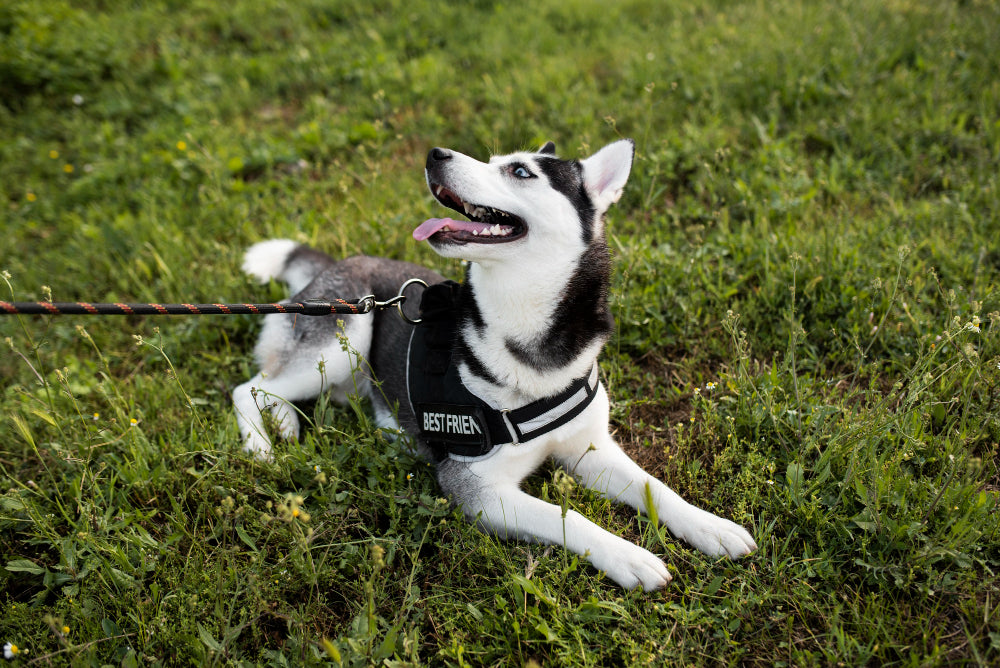
A dog harness wraps around the dog's chest and shoulders instead of placing pressure on the neck. The leash attaches to the harness, allowing the force to be distributed across the body rather than a single area.
Harnesses are popular among Australian pet owners who enjoy long walks, hiking, running, or training sessions. They provide additional control while improving comfort for many dogs.
Dog Harness vs Collar: Understanding the Main Differences
| Feature | Dog Harness | Dog Collar |
|---|---|---|
| Pressure Point | Chest and shoulders | Neck |
| Walking Comfort | Excellent | Good for calm dogs |
| Control | Higher | Moderate |
| Pulling Dogs | Better choice | Can increase neck strain |
| Daily Identification | Usually removed indoors | Ideal for ID tags |
| Ease of Wearing | Takes slightly longer | Quick and simple |
Benefits of Using a Dog Harness
A harness offers several advantages, especially for active dogs or those still learning proper leash manners.
Better Control During Walks
Because the harness fits around the chest, owners can guide their dog more effectively. This is particularly useful in busy areas, crowded parks, or when crossing roads.
Reduces Neck Pressure
Dogs that pull on the leash may place significant pressure on their neck when wearing only a collar. A harness spreads this force across the chest, making walks more comfortable.
Ideal for Puppies
Puppies are still learning how to walk politely on a leash. A harness provides better support while reducing the risk of injury during training.
Suitable for Small Breeds
Many smaller breeds have delicate necks. Harnesses provide extra protection while allowing owners to maintain better control.
Helpful for Senior Dogs
Older dogs may benefit from harnesses because they reduce strain and can make walking easier, especially for pets with reduced mobility.
Benefits of Using a Dog Collar
Although harnesses are popular, collars continue to offer several important advantages.
Perfect for Identification Tags
A collar provides a secure place for ID tags, contact details, and council registration. This information can help reunite lost dogs with their owners.
Easy to Wear All Day
Most collars are lightweight enough for dogs to wear comfortably throughout the day without interfering with normal activities.
Quick to Put On
A collar takes only a few seconds to fasten, making it convenient for everyday use.
Works Well for Calm Dogs
Dogs that already walk politely on a loose leash often do very well using a quality collar during daily walks.
When Is a Harness the Better Choice?
A harness is often recommended if your dog:
- Pulls strongly on the leash.
- Is still learning leash manners.
- Has breathing or neck issues.
- Belongs to a small breed.
- Enjoys hiking or long outdoor adventures.
- Needs extra control in busy environments.
Many professional trainers recommend harnesses during training because they improve comfort while giving owners better handling.
When Is a Collar the Better Choice?
A collar remains an excellent option if your dog:
- Walks calmly without pulling.
- Needs to wear identification at all times.
- Requires a lightweight everyday accessory.
- Is already fully trained on the leash.
Even if you regularly use a harness during walks, keeping a collar with identification tags on your dog is still a smart safety measure.
Can Dogs Wear Both a Harness and Collar?
Yes. In fact, many Australian dog owners use both every day. The collar holds the identification tags while the harness is used during walks.
This combination provides the benefits of both products. Your dog remains identifiable if they become lost while enjoying a safer and more comfortable walking experience.
How to Choose the Right Harness
Not all harnesses are the same. Look for these important features:
- Adjustable straps for a secure fit.
- Soft padding to reduce rubbing.
- Durable materials for everyday use.
- Strong buckles and stitching.
- Reflective details for evening walks.
- Comfortable design that allows natural movement.
A properly fitted harness should sit snugly without restricting your dog's movement or causing discomfort.
How to Choose the Right Collar
When buying a collar, consider:
- The correct neck size.
- Comfortable materials like nylon or leather.
- Strong metal hardware.
- Secure buckle or quick-release clasp.
- Enough room to fit two fingers beneath the collar.
A collar that is too tight can cause discomfort, while one that is too loose may slip off during walks.
Common Mistakes to Avoid
Many dog owners accidentally choose the wrong walking equipment. Avoid these common mistakes:
- Using a collar for dogs that pull heavily.
- Buying a harness without measuring your dog.
- Leaving a poorly fitted harness too loose.
- Ignoring signs of rubbing or discomfort.
- Choosing style over comfort and safety.
Which Option Is Best for Australian Dog Owners?
Australia offers countless opportunities for outdoor adventures with dogs. Whether you're exploring beaches, bushwalking trails, or local parks, comfort and safety should always come first.
For active dogs, puppies, and strong pullers, a harness is usually the better choice. For calm, well-trained dogs, a collar can work perfectly for everyday use. Many owners find that using both provides the ideal combination of convenience and safety.
Find Quality Dog Walking Accessories at Urban Bundle
At Urban Bundle, we offer practical pet accessories designed for Australian dog owners. From comfortable harnesses and durable collars to LED safety collars, travel accessories, and everyday essentials, our collection helps make every walk safer and more enjoyable.
Whether you have a playful puppy or a senior companion, choosing quality walking gear ensures comfort for your dog and confidence for you.
Conclusion
There is no single answer to the dog harness vs collar debate because every dog has different needs. A collar remains essential for identification, while a harness often provides greater comfort and control during walks.
If your dog pulls, enjoys outdoor adventures, or is still learning good leash manners, a harness is usually the better option. If your dog walks calmly and simply needs identification, a quality collar may be all you need. Many pet owners choose to use both, giving their dogs the benefits of comfort, safety, and everyday convenience.