Cart
0
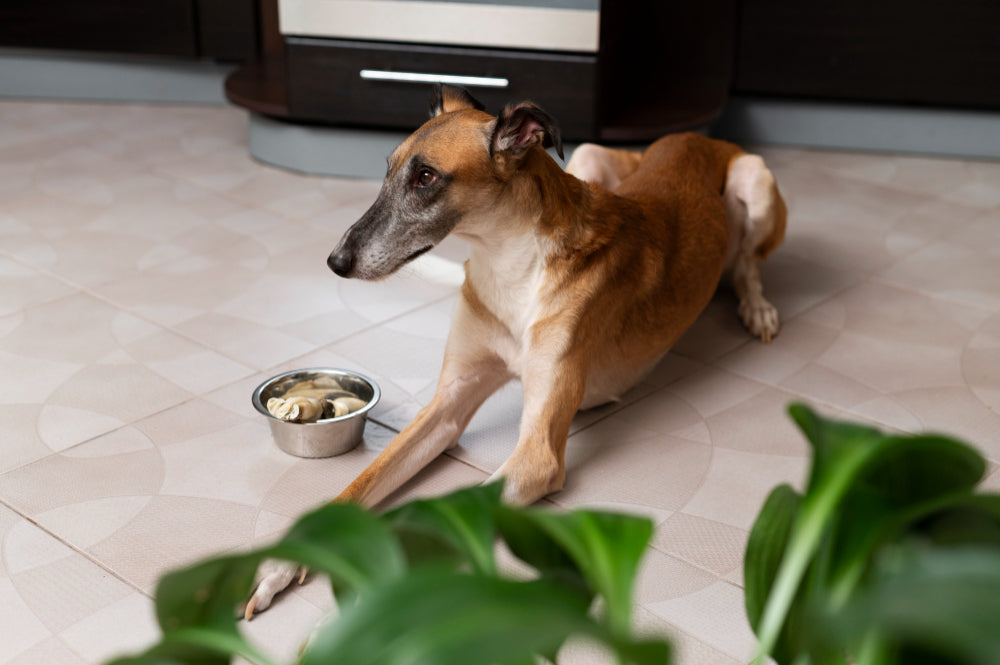
It can be worrying when your dog suddenly refuses to eat. Whether they've skipped one meal or haven't touched their food for an entire day, many pet owners immediately wonder how long a dog can safely go without eating. While healthy adult dogs can survive for several days without food, going without proper nutrition is never ideal and may indicate an underlying problem.
Understanding why dogs stop eating, how long they can safely go without food, and when to seek veterinary advice can help you protect your pet's health. This guide explains what every Australian dog owner should know.
How Long Can a Healthy Dog Go Without Food?
A healthy adult dog can generally survive for around three to five days without food, provided they continue drinking water. However, this does not mean it is safe to wait that long before taking action.
Most veterinarians recommend monitoring your dog closely if they miss one meal. If they refuse food for more than 24 hours, especially if they show other signs of illness, it is time to contact your veterinarian.
Water Is More Important Than Food
While dogs can survive several days without eating, they cannot survive long without water. Dehydration can become serious much faster than hunger.
Always ensure your dog has access to fresh, clean drinking water. If your dog refuses both food and water, seek veterinary advice immediately.
How Long Can Puppies Go Without Food?
Puppies should never go long without eating. Their growing bodies require regular meals to maintain healthy blood sugar levels and support development.
If a puppy refuses food for more than 12 hours, especially young puppies under four months old, contact your veterinarian as soon as possible.
How Long Can Senior Dogs Go Without Food?
Older dogs may lose their appetite due to dental problems, illness, medication, or age-related conditions. Because senior dogs are often more vulnerable, even a short period without food should be taken seriously.
If your senior dog refuses meals for more than a day, arrange a veterinary check-up to identify the cause.
Common Reasons Why Dogs Stop Eating
There are many reasons a dog may lose interest in food. Some are harmless, while others require medical attention.
1. Change in Routine
Dogs can become unsettled after moving house, travelling, welcoming a new family member, or experiencing changes in their daily routine.
2. Stress or Anxiety
Fireworks, thunderstorms, separation anxiety, or unfamiliar environments may temporarily reduce a dog's appetite.
3. Dental Problems
Painful teeth, infected gums, or broken teeth can make eating uncomfortable.
4. Digestive Upset
An upset stomach may cause your dog to skip meals until they start feeling better.
5. Illness
Infections, kidney disease, liver problems, or other medical conditions can affect appetite.
6. Recent Vaccinations or Medication
Some dogs experience mild appetite loss after vaccinations or when starting new medications.
When Should You Be Concerned?
Contact your veterinarian if your dog:
- Has not eaten for more than 24 hours.
- Refuses both food and water.
- Is vomiting repeatedly.
- Has diarrhoea lasting more than a day.
- Appears weak or unusually tired.
- Has difficulty breathing.
- Shows signs of pain.
- Has sudden weight loss.
These symptoms may indicate an underlying health issue that requires prompt treatment.
What Should You Do If Your Dog Won't Eat?
If your dog skips a meal but otherwise appears healthy, there are several simple steps you can try.
Offer Fresh Food
Replace old food with a fresh meal. Dogs can sometimes reject food that has been left out for too long.
Maintain a Regular Feeding Schedule
Offer meals at the same time each day and remove uneaten food after 20 to 30 minutes.
Limit Treats
Too many treats between meals can reduce your dog's appetite for regular food.
Encourage Gentle Exercise
A short walk often stimulates a healthy appetite.
Reduce Stress
Create a calm feeding environment away from loud noises or distractions.
Can Dogs Skip a Meal Occasionally?
Yes. Some healthy adult dogs occasionally skip a meal without any serious problem, particularly during hot weather or after a less active day.
However, repeated meal skipping or a complete loss of appetite should always be investigated.
Can Hot Weather Affect Appetite?
Yes. During Australia's warmer months, many dogs naturally eat slightly less because they are less active during the hottest parts of the day.
Ensure your dog remains well hydrated and consider feeding during cooler morning or evening hours.
Foods You Should Never Force Your Dog to Eat
If your dog refuses food, avoid offering unsafe human foods in an attempt to encourage eating.
Foods to avoid include:
- Chocolate.
- Onions.
- Garlic.
- Grapes and raisins.
- Macadamia nuts.
- Alcohol.
- Xylitol-sweetened products.
Stick to foods that are safe and recommended for dogs.
How to Keep Your Dog Interested in Meals
Simple habits can encourage healthy eating throughout your dog's life.
- Feed high-quality dog food.
- Provide regular exercise.
- Keep feeding times consistent.
- Store food correctly to maintain freshness.
- Use clean food bowls.
- Avoid excessive table scraps.
A consistent routine helps many dogs maintain a healthy appetite.
Helpful Products for Feeding Time
The right pet accessories can make mealtimes more enjoyable and organised.
- Non-slip food bowls.
- Portable travel bowls.
- Treat storage containers.
- Puzzle feeders for mental stimulation.
- Travel water bottles.
These products help support healthy feeding habits both at home and while travelling.
Shop Everyday Dog Essentials at Urban Bundle
At Urban Bundle, we offer practical pet products for Australian dog owners. From travel accessories and portable water bottles to interactive toys, collars, harnesses, and everyday feeding essentials, our collection is designed to make caring for your dog easier.
Whether you're enjoying a road trip, daily walk, or relaxing at home, quality pet accessories help keep your dog comfortable, healthy, and happy.
Conclusion
A healthy adult dog may survive several days without food, but that does not mean you should wait that long before seeking help. Most dogs should never go more than 24 hours without eating unless advised by a veterinarian. Puppies, senior dogs, and dogs with existing health conditions require even closer attention.
If your dog suddenly loses their appetite, monitor their behaviour, encourage them to drink water, and contact your veterinarian if the problem continues. Acting early can help identify potential health issues and ensure your furry companion returns to eating normally as quickly as possible.